
Dry fruits, also known as dried fruits and nuts, are nutrient-dense powerhouses that offer concentrated sources of essential vitamins, minerals, fiber, healthy fats, and bioactive compounds. Incorporating a moderate daily serving into your routine can deliver significant health advantages, from improved heart health to better digestion and sustained energy. While fresh fruits are excellent, dried varieties provide a convenient, shelf-stable alternative with amplified nutritional density—often containing up to 3.5 times the fiber, vitamins, and minerals by weight compared to their fresh counterparts.
Regular consumption of dry fruits as part of a balanced diet is linked to better cardiometabolic profiles, reduced risk of chronic diseases, and enhanced overall nutrient intake. However, portion control is key due to their calorie density and natural sugar content. A typical recommended daily handful (about 20-30 grams) strikes an effective balance for most adults.
Nutrient Profile: Why Dry Fruits Pack a Punch
Dried fruits retain most of the beneficial compounds from fresh fruits after water removal. They are rich in dietary fiber, potassium, iron, magnesium, calcium, and various antioxidants like polyphenols. Nuts within the dry fruit category add healthy unsaturated fats, plant protein, vitamin E, and omega-3 fatty acids.
For instance:
-
Almonds: High in vitamin E, magnesium, and healthy fats.
-
Walnuts: Excellent source of omega-3s and antioxidants.
-
Raisins: Provide potassium and iron.
-
Dates: Rich in fiber and natural sugars for quick energy.
-
Figs and prunes: Notable for calcium, fiber, and digestive support.
These nutrients work synergistically to support multiple body systems.
Heart Health and Cardiovascular Protection
One of the most well-documented benefits is cardiovascular support. Frequent intake of nuts and dried fruits is associated with lower risk of heart disease, reduced bad cholesterol (LDL), improved blood vessel elasticity, and better blood pressure regulation.
Walnuts, with their omega-3 content, help improve endothelial function and reduce inflammation. A daily handful of almonds may reduce heart disease risk by up to 30%. Potassium-rich options like raisins and dates contribute to maintaining normal blood pressure. Studies indicate that people who regularly consume these foods often show healthier lipid profiles and lower inflammation markers linked to heart disease and diabetes.
Pairing nuts with dried fruits enhances these effects, as the fiber and healthy fats help manage cholesterol and support overall cardiometabolic health.
Weight Management and Satiety
Contrary to the perception that high-calorie dry fruits cause weight gain, evidence shows that regular consumers often have healthier body weights. The combination of fiber, protein, and healthy fats promotes satiety, reducing overall calorie intake by curbing unhealthy snacking.
People who eat dried fruits and nuts tend to have higher nutrient intake and lower obesity risk. The fiber slows digestion, stabilizing blood sugar and preventing energy crashes that lead to overeating. However, moderation remains essential—excess can add surplus calories.
Digestive Health and Gut Microbiome
High fiber content makes dry fruits excellent for digestive regularity. Prunes, figs, and raisins are particularly effective at promoting bowel movements and preventing constipation. A daily serving contributes meaningfully toward the recommended 30g daily fiber intake, which is associated with lower risks of colorectal issues and other non-communicable diseases.
Emerging research also highlights positive effects on gut microbiota. Regular consumption can increase beneficial bacteria like Bifidobacteria, supporting a healthier microbiome that influences immunity, mood, and metabolism.
Blood Sugar Control and Diabetes Management
Despite natural sugars, many dried fruits have a relatively moderate impact on blood glucose when eaten in moderation, especially when paired with nuts. The fiber and healthy fats slow sugar absorption. Some studies suggest benefits for glycemic control and reduced type 2 diabetes risk.
Raisins and certain dried fruits may help manage blood sugar responses, making them smarter snack choices than refined sweets for many people.
Brain Health, Antioxidants, and Anti-Inflammatory Effects
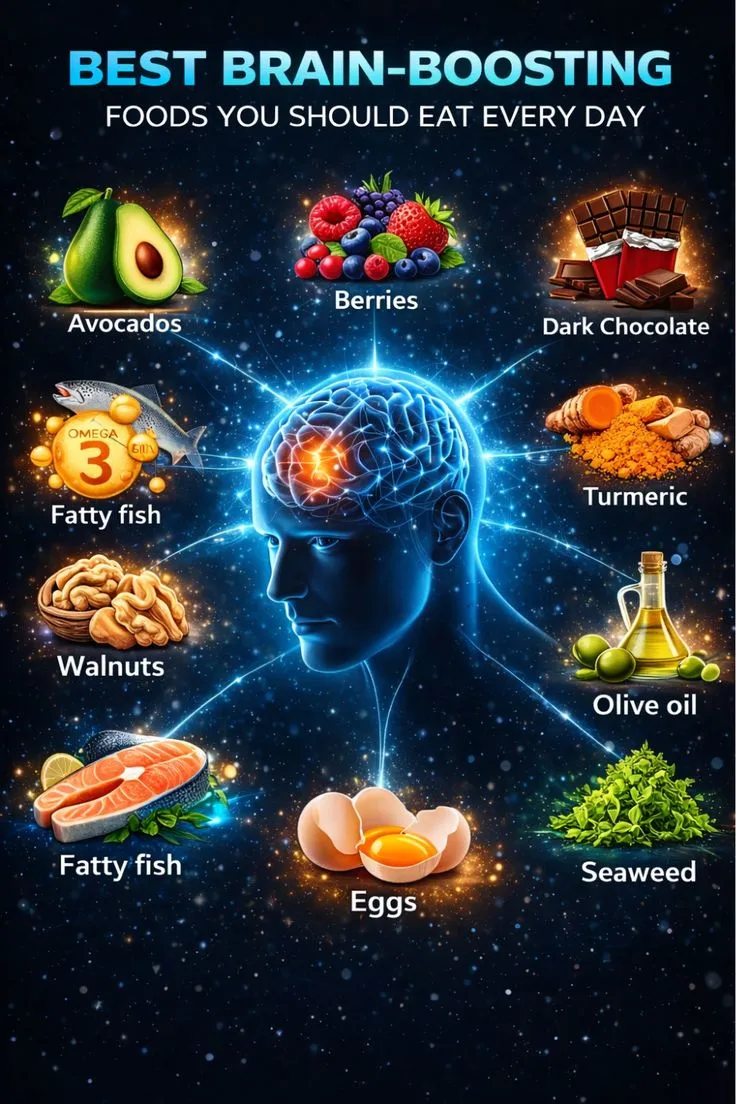
Antioxidants in dry fruits combat oxidative stress and inflammation. Walnuts stand out for brain health due to omega-3s and polyphenols that support cognitive function. Vitamin E in almonds protects cells, potentially benefiting long-term brain health.
These compounds are linked to reduced risk of chronic conditions and may support healthy aging by protecting against cellular damage.
Bone Health, Energy, and Immunity
Dried fruits provide minerals like calcium, magnesium, and potassium that support bone density. Figs and prunes are particularly noted here. Their natural sugars and nutrients offer sustained energy without the crash of processed snacks, making them ideal for active lifestyles or mid-day boosts.
Iron in raisins and apricots aids oxygen transport and combats fatigue, while overall nutrient density strengthens immunity.
Skin, Hair, and Overall Vitality
Vitamin E, antioxidants, and healthy fats nourish skin from within, potentially reducing signs of aging and supporting hair health. Many report improved complexion and vitality with consistent intake as part of a nutrient-rich diet.
Practical Tips for Daily Incorporation
-
Portion control: Stick to 20-30g (a small handful) daily to maximize benefits without excess calories or sugar.
-
Variety: Rotate almonds, walnuts, raisins, dates, figs, and apricots for broad nutrient coverage.
-
Timing: Enjoy as a mid-morning or afternoon snack, pre-workout boost, or addition to oatmeal, salads, or yogurt. Soaking some varieties (like almonds) can enhance digestibility.
-
Quality matters: Choose unsweetened, unsulfited options when possible for purest benefits.
-
Combinations: Pair with fresh produce or dairy for balanced meals.
Cautions and Considerations
While beneficial, overconsumption can lead to digestive discomfort like bloating or gas due to high fiber, potential weight gain from calories, or blood sugar spikes in sensitive individuals. Those with kidney issues should monitor potassium intake. Allergies, added sugars in some commercial products, and sulfites are other factors to watch. Pregnant individuals or those with specific conditions should consult healthcare providers.
Children and active adults can enjoy slightly larger portions, but balance remains crucial.
Conclusion: A Simple Daily Habit with Profound Impact
Eating dry fruits daily is a practical, delicious strategy to enhance diet quality and support long-term health. From heart protection and better digestion to sustained energy and antioxidant defense, the evidence supports their role in preventive nutrition. When integrated mindfully into a varied, whole-foods diet, they contribute to reduced disease risk and greater vitality.
Start small, stay consistent, and observe how this ancient superfood tradition enhances modern wellness. With their rich heritage in healthy eating patterns like the Mediterranean diet, dry fruits prove that sometimes the simplest additions yield the most meaningful results. By making them a daily staple in moderation, you invest in comprehensive health that benefits body and mind for years to come.
Read more – tripfleeting.com