
You open the visor on your Bell Qualifier and something is off. Maybe the shield is scratched past the point of comfortable use, maybe it no longer matches the helmet, or maybe it just feels loose when you lift it. Then comes the question that stalls most owners: which part do I actually need?
It’s an easy question to answer wrongly. Different faults can look alike, and buying the wrong part costs money and time. A simple triage sequence helps. Work out what is actually failing first, then match that fault to the right part and the right place to get it. Only then does ordering make sense.
Step One: Name the Fault
Start with what you can see and feel, then sort it into one of three buckets.
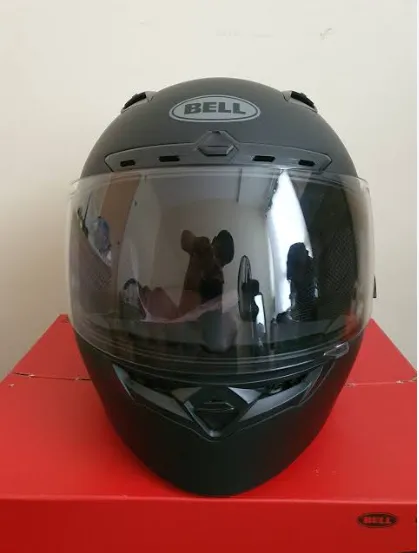
Visor damage is a problem with the shield itself: scratches, cracks, clouding, or a tint that no longer suits you or doesn’t match what you expected.
Movement or looseness is when the shield rocks, rattles or doesn’t seem to sit firmly, even though the lens looks fine. That points to the side mechanism rather than the lens.
Edge-seal wear is a worn or damaged seal along the shield’s edge, where the shield meets the helmet.
Here is the checklist:
-
Scratched, cracked, hazy or wrong-tint shield: visor
-
Wobble or looseness with an undamaged shield: mechanism
-
Worn or damaged seal along the shield edge: seal
-
Scratched shield and looseness together: possibly two faults, so treat them separately
That last line matters. ClearLineMoto, the visor retailer this guide links to, says it doesn’t sell the side mechanism or shield seals. A Bell dealer supplies those parts, and a new visor on its own may not cure a loose feel. Sorting the fault first tells you whether a visor order is even the right move.
When the Visor Really Is the Problem
If the scratch, haze or mismatch is clearly on the shield itself, and the visor sits and moves as it should, a new visor is a sensible fix. Browsing bell qualifier replacement visor options is the logical next step. Note that every link in this guide goes to ClearLineMoto’s Qualifier visor page, so treat it as one retailer’s range rather than the whole market.
At the time of writing, that page lists four aftermarket visors for the Qualifier. Two are fixed-tint replacements in clear, smoke, black and iridium finishes. The other two are photochromic. Listings can change, so check the current page.
Start your choice with the light you actually ride in. If most of your riding is in dim or changeable conditions, a clear shield is the simplest option. If you mainly want a darker lens, you might buy bell qualifier dark smoke visor options once fit is confirmed. Black and iridium finishes are also listed. Read each product description for what the finish is meant to do, and don’t assume more than it says.
The photochromic question is a trade-off between consistency and adaptability. A fixed-tint visor stays the same shade whatever the light. A bell qualifier photochromic shield replacement darkens in bright sun and turns near-clear again as the light drops, according to the listing. That suits riders who move between conditions on one trip, but the listing doesn’t say how quickly the change happens, so don’t expect a specific speed.
Checking Fit Before You Buy
A visor that suits the Qualifier is often listed for other helmets too. The retailer behind the listings says Bell’s own page names its ClickRelease shield for the Star, Vortex, RS-1, Qualifier and Revolver. That’s a retailer’s account of a Bell page, so confirm the current list on Bell’s site if it matters to your order. In practice, the same shield can appear under several helmet names, and the only reliable guide is the model list on each product page. Checking bell qualifier clickrelease visor compatibility listing by listing takes a minute and can save a return. (This link, like the others here, goes to a visor retailer’s Qualifier category, so it covers visors only.)
Before you order, run through three checks:
-
Helmet name. Read the model name on your helmet and look for exactly that name on the product page. A similar-looking Bell isn’t a match.
-
Visor type. Decide whether you want a clear, smoke, black or iridium replacement, or a photochromic shield. The category currently shows four visors, though listing counts may change.
-
Listed compatibility. Confirm your helmet is among the models the page names, not just that the shield looks right.
Treat extras the same way. If you want a bell qualifier iridium visor pinlock ready, look for that feature stated on the specific product page. If it isn’t there, don’t assume it.
When a New Visor Won’t Fix It
Sometimes the shield is fine and the fault sits elsewhere. If the visor wobbles, won’t hold its position, or shows wear along the edge where it meets the helmet, a replacement shield may not change anything.
Anyone researching how to fix loose visor mechanism bell qualifier should know where the retailer draws the line. ClearLineMoto’s Qualifier page says it does not sell the side mechanism, and that a Bell dealer supplies those parts. It also says a new visor on its own may not cure looseness. The same goes for a bell qualifier shield seal replacement. The retailer doesn’t stock it, so the dealer is the place to ask. Both links lead to a visor listing page, not to those parts, so treat them as the source of that limitation rather than a place to buy.
Rather than guess, take the helmet to a Bell dealer and describe what you’ve noticed. Let them confirm whether it’s the mechanism, the seal, or the visor before you spend anything.
Conclusion
Sorting the fault first keeps the decision simple. If the damage is plainly to the shield, such as scratches or a tint that no longer suits you, choose a replacement visor and match your helmet’s exact name against the models named on the product page before ordering. If the problem is looseness or a worn edge seal, a new visor may not cure it, so ask a Bell dealer to confirm the cause. Not sure which fault you have? Start with the dealer. A short check now is better than buying the wrong part.