
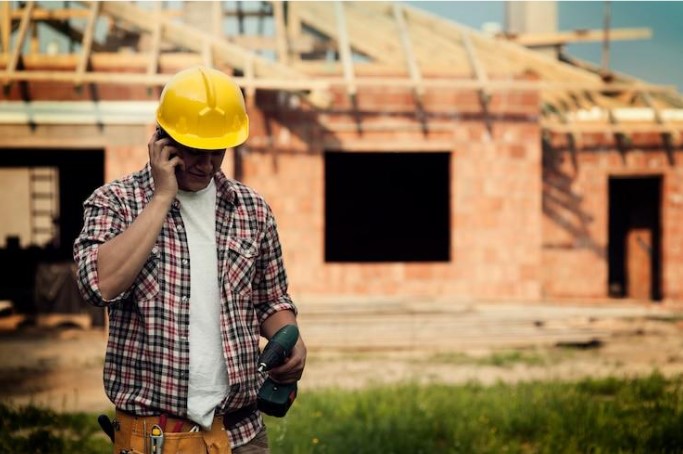
Building a custom home is a monumental undertaking. The process is undeniably exciting, but it can be overwhelming without proper guidance. To ensure a smooth and successful experience, it is crucial to consider different factors. These factors may include choosing the right home builder, considering your budget and location, the right design, and energy efficiency.
Here, we will discuss essential tips to build a custom home for your needs.
1. Choose the Right Builder for Your Home
Finding the right custom home builder is the most critical decision you will make. Start by researching potential home builders. Look for a builder with a proven track record of excellence in craftsmanship and customer service. Check their credentials and licensing. Pay close attention to their communication style and ability to understand. Make sure that they are transparent about budgets. Take the time to interview multiple builders, ask for references, and review their portfolio of past projects. Choosing the right custom home builder will ensure a smoother construction process from design to completion.
2. Set a Realistic Budget
Building a custom home requires careful financial planning. It will ensure that your dream home remains within reach. Beyond the initial construction costs, consider expenses such as land acquisition, permits, landscaping, and furnishings. Consider working with a financial advisor to assess your finances. Determine a budget that aligns with your long-term financial goals. It is better to build a contingency fund to account for unexpected costs that may arise during the construction process. You can also explore construction loans to determine affordability.
3. Select a Home Design for Your Needs and Preferences
When selecting a home design, it is important to understand your preferences, lifestyle requirements, and budget constraints. Explore different architectural styles that resonate with your taste. Focus on the layout and flow of the floor plan. Assess your family dynamics, daily routines, and future needs. Consider practical aspects such as storage space, natural lighting, and flexibility for future adjustments. Your home design should not only be aesthetically pleasing but also functional. Consider aspects such as efficient use of space, workflow patterns, and room sizes. It will help you create a home that fits your lifestyle perfectly.
4. Consider Installing a Septic System in Your Home
When building a custom home, installing a septic tank can be a practical and environmentally friendly solution for wastewater management. When planning your septic system, consider factors like soil type, water table level, and available space. It will help you determine the type and right size of the system for your needs. Hire professional services for careful planning and proper septic installation. They will design your septic system to function efficiently for decades to come.
5. Consider Energy Efficiency in Your Home
Building an energy-efficient home is a cost-effective option. You should make sure that you incorporate energy-efficient features. It will help your home run without costing you too much money. Look for double-glazed windows, proper insulation, and integrated energy-efficient appliances. Contact an energy consultant or an architect for energy efficiency and improving your comfort. You may also want to consider solar paneling and geothermal heating.