
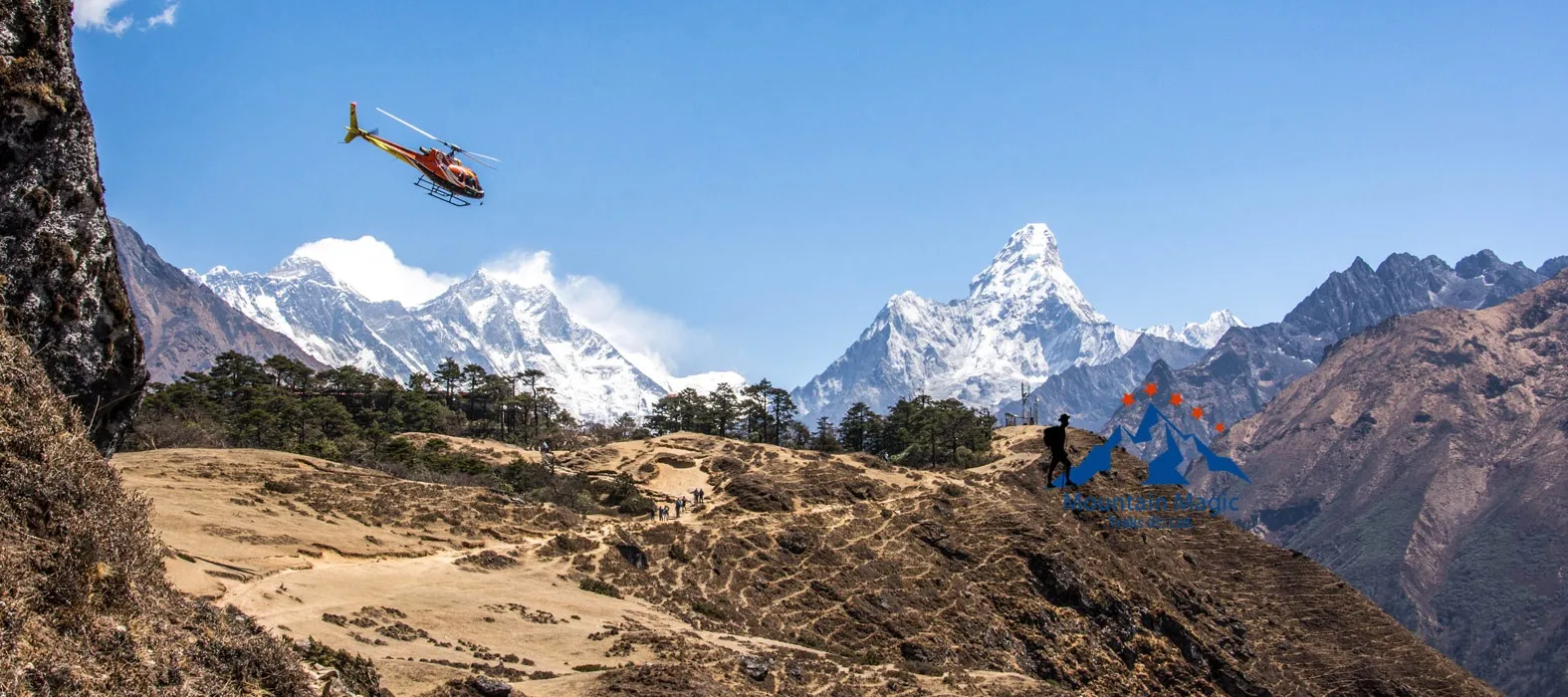
The Everest region offers dramatic mountain views, traditional settlements, glacial landscapes, and remarkable changes in terrain. Many travelers want to record these places through photographs and videos. However, carrying camera equipment through a multi-day mountain route requires more planning than taking pictures during an ordinary city trip.
Cold temperatures, dust, moisture, rough trails, and changing weather can affect electronic equipment. A damaged camera or lost memory card can also mean losing photographs that cannot be taken again. During the Everest Base Camp Trek with Helicopter Return, protecting photography equipment is an important part of managing personal belongings.
Choose Equipment That Matches Your Trek
Carrying expensive photography equipment does not automatically produce better travel photographs. A camera setup should match your experience, available space, and willingness to carry extra weight.
A compact camera or smartphone may be enough for many travelers. Others may prefer a mirrorless or DSLR camera with an additional lens.
Consider These Factors Before Packing
-
Total equipment weight.
-
Battery life and charging needs.
-
Ease of operation with gloves.
-
Weather protection.
-
Available storage space.
-
Personal photography experience.
Avoid carrying several lenses or accessories that you are unlikely to use. Every extra item adds weight to your luggage.
Protect Cameras From Cold Temperatures
Cold conditions can affect battery performance and make electronic equipment less reliable.
Camera batteries may lose charge more quickly in low temperatures. A device that showed a reasonable battery level earlier may suddenly display a much lower level after spending time outside.
Keep Spare Batteries Protected
Carry spare batteries in a secure case and follow the manufacturer’s storage recommendations.
When practical, keep spare batteries in an inside pocket close to your body. This can help protect them from extreme cold.
Avoid placing loose batteries together with metal objects because accidental contact can create a safety risk.
Prevent Moisture From Reaching Your Equipment
Rain, snow, condensation, and damp air can create problems for cameras and electronic accessories.
Even a camera advertised as weather-resistant may have limits. Protection depends on the model, lens, seals, and exposure conditions.
Use Suitable Protective Storage
A practical camera protection setup may include:
-
A padded camera bag.
-
A waterproof outer cover.
-
Small dry storage pouches.
-
A secure lens cap.
-
A clean microfiber cloth.
Do not change lenses unnecessarily in windy or dusty areas. Fine particles can enter the camera body and affect its internal components.
Understand Condensation When Moving Between Temperatures
Condensation can form when cold equipment is moved into a warmer environment.
For example, a camera carried outside in cold mountain air may develop moisture when brought directly into a warm lodge.
Allow Equipment to Adjust Gradually
Keep the camera inside a sealed bag when moving between very different temperatures. Allow it to adjust gradually before opening the bag.
This can reduce the chance of moisture forming directly on sensitive equipment.
Avoid placing cold cameras beside heaters or other direct heat sources to warm them quickly.
Manage Memory Cards and Photo Storage
Photographs are only useful if they remain safely stored. Memory cards can be lost, damaged, or accidentally formatted.
A simple backup routine can protect important images throughout the journey.
Create a Storage Plan
-
Use a reliable memory card.
-
Carry a spare card if needed.
-
Keep unused cards in protective cases.
-
Avoid removing cards while the camera is writing data.
-
Review important photographs without deleting originals unnecessarily.
If you carry a phone or another storage device, consider making backups when a reliable connection or suitable transfer option is available.
Do not depend entirely on cloud storage because internet access may be limited in remote settlements.
Plan Charging Around Mountain Accommodation
The electricity supply and charging facilities available at mountain lodges can vary.
Some properties may provide charging points in rooms or shared areas, while others may have different arrangements or additional fees.
Check Your Power Requirements
Before departure, calculate how many batteries and electronic devices you expect to use.
A suitable power bank may help maintain phone or camera accessory power, provided it meets airline and transportation rules.
The Mountain Magic Treks package lists mountain accommodation and certain support services, but travelers should confirm the latest charging arrangements with the company rather than assuming unlimited access to electricity.
Protect Your Equipment While Walking
A camera should be easy to reach without creating a distraction or affecting your balance.
Loose straps, open pockets, and poorly secured accessories can become problems on uneven terrain.
Use a Secure Carrying System
Choose a strap or compact carrying bag that keeps the camera close to your body.
Before walking:
-
Check that all zippers are closed.
-
Secure loose straps.
-
Keep lenses protected.
-
Store small accessories in separate compartments.
-
Avoid carrying equipment in a way that restricts your movement.
When taking photographs, stop in a safe place instead of walking while looking through the camera.
Take Care When Photographing Near Helicopters
The planned helicopter return from the Gorakshep area involves specific safety procedures.
Photography should never interfere with boarding, luggage handling, or instructions from the flight crew.
Follow the Crew’s Rules
Keep cameras and loose accessories secured around the aircraft. Do not approach the helicopter or take photographs near it unless the crew permits you to do so.
During takeoff and landing, follow all instructions about personal belongings and passenger movement.
The Everest Base Camp Trek with Helicopter Return includes planned helicopter transportation, but flight arrangements remain subject to weather and operational conditions.
Respect Photography Restrictions and Personal Privacy
Not every location or person should be photographed without permission.
Some religious spaces, private properties, and cultural sites may have photography restrictions. Ask before taking pictures of local residents, lodge workers, or other trekkers.
At monasteries and other religious places, follow posted rules and instructions from local authorities.
Respectful photography means considering the people and places being recorded, not simply focusing on the image.
Final Thoughts
Photography equipment needs protection from more than accidental drops. Cold batteries, moisture, condensation, dust, and careless storage can all affect electronic gear during a mountain journey.
Before starting the Everest Base Camp Trek with Helicopter Return, choose equipment you can comfortably carry, organize spare batteries, protect memory cards, and plan for limited charging facilities. A simple, reliable setup is often more useful than a heavy collection of accessories.
Frequently Asked Questions
1. Can cold temperatures affect camera batteries?
Yes. Low temperatures can reduce battery performance and make available charge appear to decrease more quickly.
2. Should I carry spare memory cards?
Carrying a spare card is useful because it provides additional storage and a backup if the main card develops a problem.
3. Can I charge my camera at mountain teahouses?
Charging facilities vary between lodges. Confirm availability and possible fees before relying on them.
4. How can I prevent condensation on my camera?
Place cold equipment inside a sealed bag before moving into a warmer environment and allow it to adjust gradually.
5. Can I take photographs around the return helicopter?
Only when permitted by the flight crew. Passenger safety and operational instructions must always come first.