
Meal prepping has become a practical solution for busy people who want consistent, home-cooked meals without the daily rush of deciding what to eat, shopping, cooking, and cleaning. By dedicating a few focused hours once a week, you can cut down on evening kitchen time, lower grocery costs, reduce food waste, and avoid expensive takeout. The process works best when kept simple and tailored to your schedule rather than treated as an all-or-nothing project.
Why Meal Prep Saves Time and Money
Cooking individual meals every day quickly adds up. Many people spend 30 to 60 minutes or more per meal on preparation and cleanup, which can total several hours across a week. A single dedicated prep session of two to three hours often replaces much of that daily effort, freeing evenings for other activities. Reheating a ready portion takes just minutes.
Financially, meal prep helps in multiple ways. Planning ahead prevents impulse buys at the store and reduces the amount of food that spoils unused in the refrigerator. Buying versatile staples in larger quantities or when they are on sale lowers the per-serving cost. Relying less on restaurants and delivery further stretches the budget. Many households find they waste less produce and proteins because everything purchased has a planned use. Over time, these habits can meaningfully reduce weekly food spending while supporting more balanced eating.
Choose Your Meal Prep Approach
There is no single correct method. Common approaches include:
-
Batch cooking — Prepare larger quantities of complete dishes (soups, stews, casseroles, or sheet-pan meals) that reheat well.
-
Component prepping — Cook building blocks such as proteins, grains, and vegetables separately, then mix and match during the week for variety.
-
Portioned meals — Fully assemble individual servings in containers for grab-and-go convenience.
Component prepping often works best for beginners because it offers flexibility and reduces boredom. For example, roasted chicken thighs can appear in grain bowls, wraps, salads, or pasta dishes across several days.
Start small. Focus on one meal category—such as weekday lunches or dinners—or prepare enough for only three or four days. Once the routine feels manageable, expand.
Step-by-Step Guide to Weekly Meal Prep
1. Review Your Schedule and Plan Simply
Look at the week ahead. Note busy evenings, social plans, or days when you will eat out. Choose two or three versatile recipes or component combinations that share ingredients. Overlapping items keep the shopping list short and costs down. A simple formula works well: one or two proteins, one or two grains or starches, and a mix of cooked and raw vegetables, plus a sauce or seasoning option.
Popular, reliable choices include chicken thighs or breasts, ground turkey, eggs, beans or lentils, rice or quinoa, sweet potatoes, broccoli, peppers, and leafy greens. These store and reheat well.
2. Create a Focused Grocery List
Check what you already have in the pantry, refrigerator, and freezer. Write a list organized by store sections (produce, proteins, dry goods, frozen). Stick to it to avoid extras. Prioritize seasonal produce and items on sale. Buying dried beans or bulk grains instead of pre-packaged versions, and choosing frozen vegetables when they cost less, further controls spending. Some people use a loose structure such as selecting a set number of vegetables, proteins, and grains to keep the list balanced without excess.
3. Shop Efficiently
Shop on a day when you are not rushed or hungry. Buying proteins in larger packs when prices drop and freezing portions for later weeks is a common cost-saving tactic. Frozen produce often matches the nutrition of fresh at a lower price and lasts longer.
4. Set Aside a Prep Session
Sunday is popular, but any consistent day works. Block two to three hours. Clear the counters, gather tools (sheet pans, large pots, sharp knife, cutting board, and storage containers), and start with items that take longest.
A practical order many follow:
-
Begin grains or starches (rice, quinoa, potatoes).
-
Season and cook proteins (roast or bake in the oven while grains cook).
-
Roast sturdy vegetables on another tray.
-
Wash and chop raw produce for salads or snacks.
-
Mix one simple dressing, salsa, or sauce.
-
Allow everything to cool properly before packing.
Cooking multiple items at once maximizes efficiency. While the oven works, the stovetop can handle grains or a quick protein.
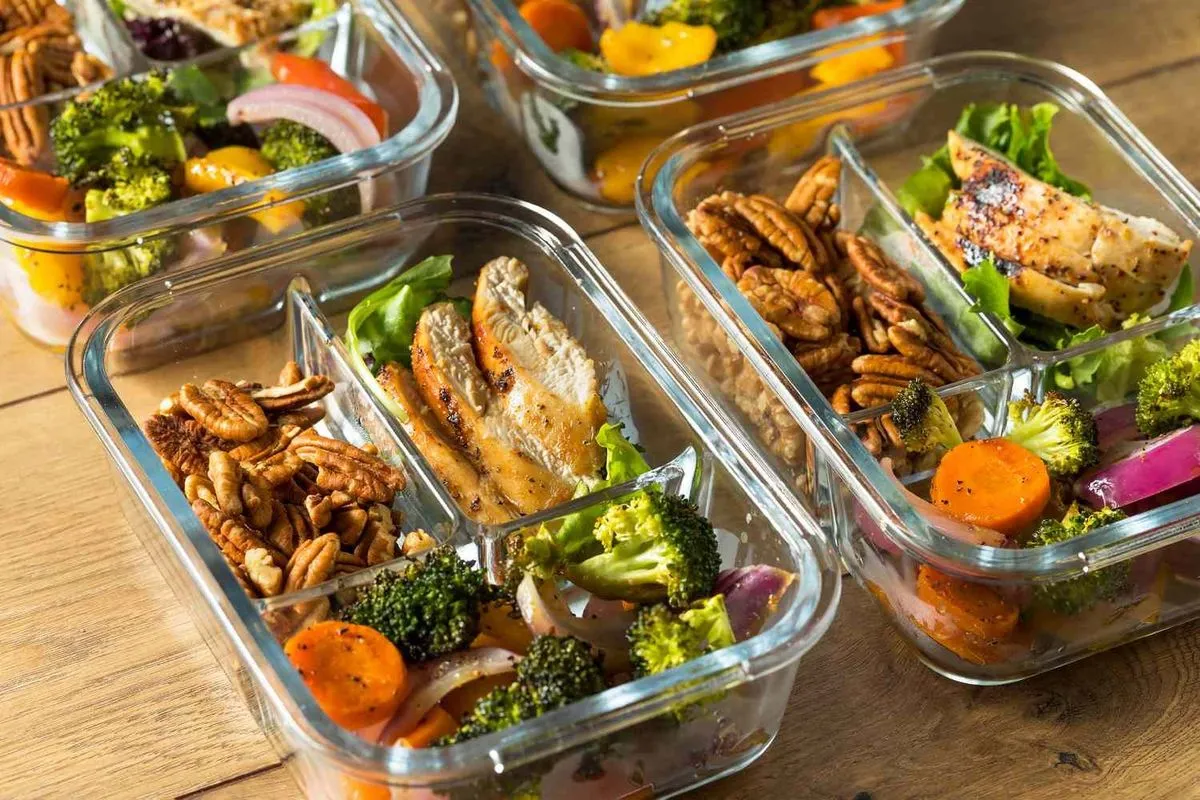
5. Cool, Portion, and Store Correctly
Food safety is essential. Cool cooked items within two hours of finishing. Divide large batches into shallow containers (no more than a couple of inches deep) so they cool faster. An ice bath can help for soups or stews. Once cooled, refrigerate or freeze.
Most cooked meats, grains, and vegetables keep safely in the refrigerator for three to four days when stored in airtight containers at 40°F (4°C) or below. Label containers with the date. Freeze extras intended for later in the week or the following week; many dishes hold quality for one to three months in the freezer. Hard-boiled eggs often last up to a week unpeeled. Reheat leftovers thoroughly to an internal temperature of 165°F (74°C).
Glass or high-quality airtight containers work well for stacking, reheating, and minimizing odor transfer. Keep raw and cooked foods separate.
Practical Tips for Long-Term Success
Use versatile ingredients that appear in multiple meals so nothing sits unused. Keep a well-stocked pantry of staples such as rice, oats, beans, oils, and basic spices so weekly shopping focuses mainly on fresh items. A mid-week check—perhaps Wednesday—lets you refresh chopped vegetables or thaw frozen portions if needed.
To avoid flavor fatigue, vary seasonings or add fresh elements (a squeeze of citrus, fresh herbs, or a different sauce) when assembling meals. Freeze half of larger batches on prep day if you are preparing more than four days’ worth.
Beginners often succeed by starting with just lunches or one protein-plus-grain-plus-vegetable combination for a few days. As confidence grows, add breakfast options such as overnight oats or egg muffins, or expand to more dinners.
Common Pitfalls and How to Avoid Them
Trying to prep an elaborate menu for every meal of the week is a frequent cause of burnout. Keep the first sessions modest. Overbuying specialty ingredients drives up costs; stick to overlapping, affordable staples. Ignoring storage times leads to waste—plan to eat refrigerator portions within three to four days and freeze the rest. Skipping the cooling step or packing hot food creates safety risks and condensation that can affect texture.
Building the Habit
Consistency matters more than perfection. Choose a regular prep day, keep the process efficient, and adjust based on what your household actually eats. Over weeks, the time investment becomes routine, the grocery bill stabilizes at a lower level, and the daily question of “what’s for dinner?” loses its stress.
Meal prepping is ultimately a tool for reclaiming time and controlling costs while eating food prepared at home. By planning simply, shopping deliberately, cooking in batches, and storing safely, most people can create a sustainable system that fits real life rather than ideal schedules. Start with one manageable session this week and refine from there. The cumulative savings in hours and dollars become clear quickly.
Read More: marathimeanings.com